Bloodletting is used to eliminate toxins that are absorbed into the bloodstream through the gastrointestinal tract. This process purifies the blood. Here are the significance of Rakta Moksha therapy.
Raktamoksha Therapy
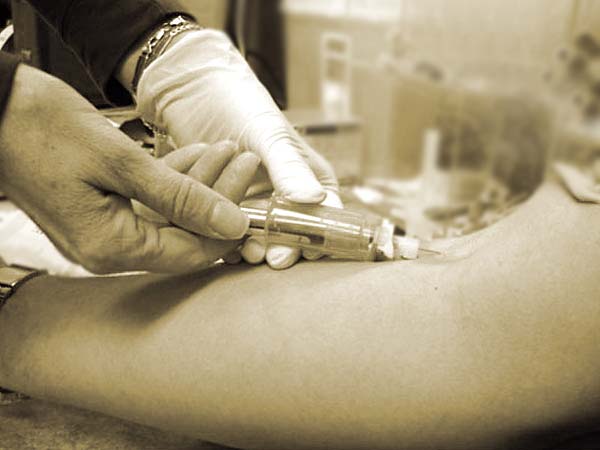
Raktamoksha therapy is one of the Panchakarmas of Ayurveda. Literally meaning Blood Letting, Raktamoksha is performed to eliminate the toxins from the bloodstream through the gastrointestinal tract. It is a safe, painless and highly effective form of Panchakarma. Raktamoksha entails the refinement of blood, hence administered to treat disorders pertaining to skin, such as urticaria, rash, eczema, acne, scabies, leucoderma, chronic itching and hives. Enlarged liver, spleen, hemochromatosis and gout can also be cured by applying the blood letting therapy. The therapy develops the immune mechanism in the blood system by stimulating the antitoxic substances in the blood stream. Barring a few exceptions such as people suffering from anemia, edema, weakness or those who are too young or too old, everybody can opt for Raktamoksha therapy.
Procedure
The disintegration of red blood cells in the liver leads to the formation of pitta. Since pitta and blood are closely linked to each other, any imbalance between the two can cause diseases related to blood. For instance, increase in pitta causes toxicity in the blood, thus giving way to various pitta-genic disorders. Here comes the use of Raktamoksha therapy. In such cases, if a small amount of blood is extracted from the vein, a lot of tension can be relieved that was created by the pitta-genic toxins prevalent in the blood. Moreover, the process of blood letting stimulates the spleen in order to produce anti-toxic substances that can help the stimulation of immune system of the body. Thus, Raktamoksha therapy cures a number of blood-borne diseases.
Diseases Treated By Raktamoksha Therapy
Raktamoksha Therapy is performed to treat a number of diseases including abscess, eczema, gout, herpes and jaundice. People suffering from Leucoderma and piles are often suggested to opt for Raktamoskha therapy. It is learnt that various types of skin diseases can be easily cured by proper administration of Raktamoksha therapy. Various Ayurvedic practitioners suggest people to opt for Raktamoksha therapy, if they are suffering from syncope and ulcer.
Two Types of Raktamokshan Therapy
Shastra Prayoga
- Pracchana: In order to drain the accumulated blood from a particular point of the body, Pracchana is administered.
- Sira Vedhana: Also termed as Venepuncture, Sira Vedhana is devised whenever vitiated blood circulates in the body.
Anushastra Prayoga
- Jalouka Prayoga: During Jalouka Prayoga, leech is applied to extract deep-seated blood. By doing this, the blood vitiated by pitta is extracted efficiently.
- Sringa: Sringa or horn is used to extract the blood vitiated by vata.
- Alabu: Blood vitiated by kapha can be extracted by Alabu, as it comprises of tikshna and ushna gunas.
- Ghati Yantra: If the vitiated blood has settled in different layers of the skin, then the best bet would be to administer Ghati Yantra, another form of Raktamoksha therapy.


