Prakruti is an important criterion for evaluating an individual's status of physical constitution. This helps in deciding the therapeutic regimen. This article discusses its role and importance in Ayurveda.
Ayurvedic Prakruti
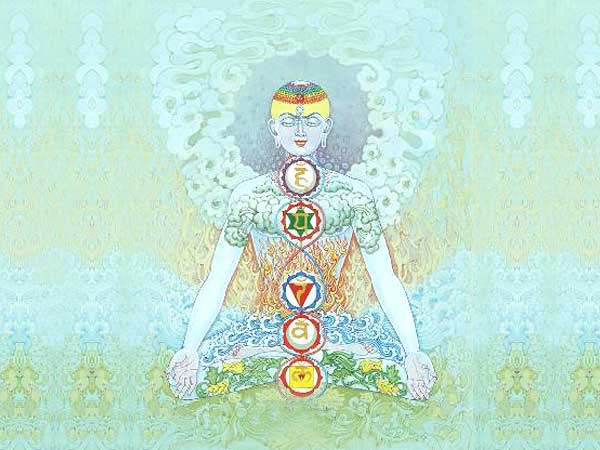
Ayurveda, states that the basic constitution of a human being is determined at the time of conception. This constitution is called Prakruti. The term Prakruti is derived from Sanskrit word that means, 'nature', 'creativity' or the first creation'. Prakruti is the physical and psychological constitution of the individual, which is determined on the basis of three doshas. One of the very important concepts of Ayurveda is that one's basic constitution is fixed throughout his lifetime. Talking about the constitution of a person, there are three basic types - Vata constitution, Pitta constitution and Kapha constitution and their combinations.
Importance of Prakruti
Knowing our prakruti is helpful as it not only helps us know our self better but also helps us in getting rid of diseases. It helps in understanding certain important physical and mental characteristics. Prakruti is an important decisive factor for evaluating an individual's status of physical constitution as well. In the following lines, we have provided detailed information about the factors determining prakrati, the seven body types and the characteristics of VATA, PITTA and KAPHA.
Factors Determining Prakruti
- Sukra-Shonit Prakruti (Condition of sperm-ovum)
- Kala-garbhasaya Prakruti (Condition of uterus)
- Matu-ahar Prakruti (Food regimen adopted by mother, during pregnancy)
Types of Prakruti
Basically, according to Ayurveda, there are seven body types. Every individual has a unique combination of these three doshas.
- Mono types (vata, pitta or kapha predominant)
- Dual types (vata-pitta, pitta-kapha or, kapha-vata)
- Equal types (vata, pitta and kapha in equal proportions)
Characteristics Of Body Types
VATA
Physical Quotient -
Such people are either very tall or very short, with a non- muscular build. They have thin and bony limbs and a quick gait. The neck is thin and scrawny, with generally thin, darkish and cool skin type.
Facial Quotient -
They usually have a long and angular face, with an underdeveloped chin. While the nose is small and narrow, the eyes are small, narrow or sunken, dark brown or grey in color, with dull luster. They have a small mouth, with thin, narrow or tight lips. Teeth are usually irregular, protruding, or broken, set in receding gums
Mental Quotient -
People under this body type are creative and artistic and tend to overindulge in pleasures. They are restless and have weak memories. Enthusiasm, freedom, generosity, joy and vitality define the characteristic of such individuals. They are spendthrift, but have a tendency to spend money on trifle things.
PITTA
Physical Quotient - People under this body type have a well developed build and often boast of muscular limbs and a stable gait of medium speed. They usually have a fair skin type that is soft, warm and lustrous. The neck is proportionate to the body.
Facial Quotient -
Such individuals usually have a heart shaped face, with a protruding or pointed chin. They have pointed nose that is medium sized and average sized eyes, in light blue, light grey or hazel color. The lips and mouth are moderate in size. There is a yellowish tint in the teeth.
Mental Quotient -
Individuals, in this body type, are usually alert and attentive and have high concentration powers. Ambitious and confident, courage and enthusiasm oozes out of such individuals. With a developed sense of responsibility, they can take decisions and organize affairs well. On the other end, they may get irritable, jealous and aggressive by nature.
KAPHA
Physical Quotient -
Boasting of a thick, well-developed build, such individuals have large, long limbs. They usually have a strong tree-trunk neck and thick, oily, pale or white skin. The average body temperature is generally cold.
Facial Quotient -
Individuals in this body type usually have a large, rounded and full face with highly attractive eyes. The eyes are mostly in blue or light brown or black in color. They have a large mouth with full lips. Big and sparkling teeth are another feature you cannot miss when you are in the company of a KAPHA individual.
Mental Quotient -
Such individuals are mostly calm and considerate and have an utmost caring and compassionate nature. Patient and faithful, individuals in this category have a sense of being nourished and portray stability, tenderness and contentment.


